The Bryanston Battery Swap Disaster
Picture this: You’re rushing to get to work on a Monday morning in Bryanston when your car refuses to start. A quick trip to the local auto shop seems like the perfect solution. Twenty minutes later, your vehicle is completely dead, and you’re facing an R80,000 repair bill. All because three wires connected in the wrong order turned your sophisticated German sedan into an expensive paperweight.
This nightmare scenario plays out more often than most drivers realize. Therefore, understanding the hidden dangers of modern battery replacements has never been more critical.
The Silent Killer: Reverse Polarity and Your Car’s Computer
Modern vehicles aren’t just mechanical machines anymore. They’re sophisticated computers on wheels. Consequently, when a battery gets connected incorrectly, the results can be catastrophic.
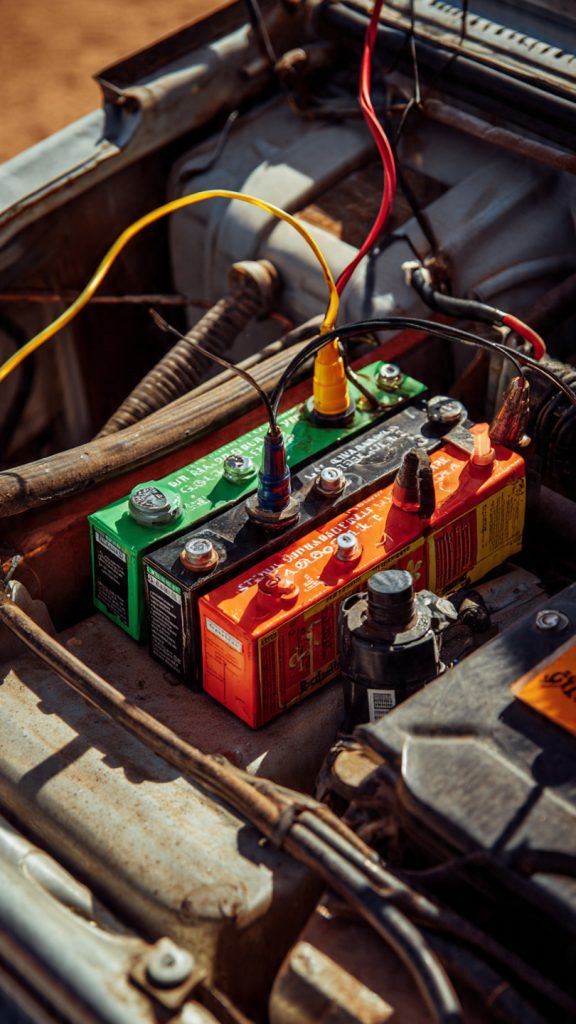
Reverse polarity occurs when someone connects the positive cable to the negative terminal and vice versa. Within seconds, electrical current flows backward through your vehicle’s circuitry. Subsequently, this backward flow short-circuits semiconductor components throughout the car’s systems.
Your vehicle contains dozens of electronic control modules. Each one costs thousands of rands to replace. The Engine Control Unit alone manages over 100 different vehicle functions. Moreover, it constantly adapts to your driving style, optimizing fuel injection rates, ignition timing, and transmission shift points.
When reverse polarity strikes, these expensive components receive a devastating surge of electricity. Diodes fail. Transistors burn out. Circuit boards melt. Furthermore, the damage doesn’t stop with just one module. Connected systems suffer cascade failures, spreading destruction throughout your vehicle’s electrical network.
The alternator typically takes the hardest hit during incorrect battery connections. This critical component recharges your battery while driving and powers the electrical system. Additionally, sensors that monitor everything from engine temperature to steering angle can malfunction or fail completely.
Why Modern Vehicles Are More Vulnerable Than Ever
Twenty years ago, cars had minimal electronics. A reverse polarity mistake might blow a few fuses. Today’s vehicles tell a completely different story.
Contemporary cars feature sophisticated battery management systems. These systems monitor battery health, control alternator output, and manage electrical consumers. Consequently, they require proper battery registration whenever you install a new battery.
European manufacturers like BMW, Audi, and Mercedes-Benz pioneered these requirements. However, many mainstream brands including GM, Ford, and Honda now incorporate similar technology. Therefore, simply swapping a battery isn’t enough anymore.
When you install a new battery without proper registration, the charging system treats it like the old dying battery. The system compensates for aging batteries over months of driving. Subsequently, it can overcharge or undercharge a replacement battery, dramatically reducing its lifespan.
Moreover, disconnecting the battery erases adaptive learning data. Your Engine Control Unit forgets ideal shift points and air-fuel ratios. The vehicle may run roughly until these systems relearn optimal settings through normal driving.
The Bryanston Incident: A Cautionary Tale
The incident that inspired this article involved a luxury SUV owner in Bryanston who needed a simple battery replacement. A well-meaning helper grabbed jumper cables to provide a quick boost. Unfortunately, he connected positive to negative and negative to positive.
Within seconds, sparks flew. Cables heated rapidly. The helper quickly disconnected everything, but the damage was already done. When mechanics later examined the vehicle, they discovered fried control modules, a destroyed alternator, and damaged wiring throughout the electrical system.
The repair estimate? Just over R80,000. Insurance wouldn’t cover it because the damage resulted from improper maintenance. The owner faced either paying this astronomical sum or selling the vehicle for scrap.
This story isn’t unique. Mechanics across Roodepoort and Randburg encounter similar cases regularly. Therefore, proper procedures during battery service have become absolutely critical.
Professional Towing Services: Your Safety Net
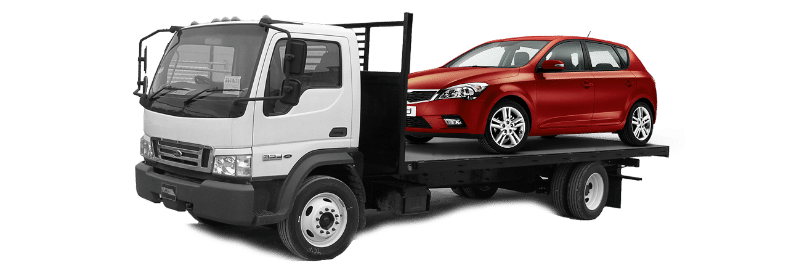
When battery problems strike, calling professionals makes all the difference. Mo Towing serves Roodepoort, Randburg, and surrounding areas with 24/7 emergency towing and roadside assistance.
Their trained technicians understand modern vehicle electrical systems. They carry proper equipment including memory savers that preserve computer settings during battery service. Moreover, they follow correct procedures to prevent reverse polarity disasters.
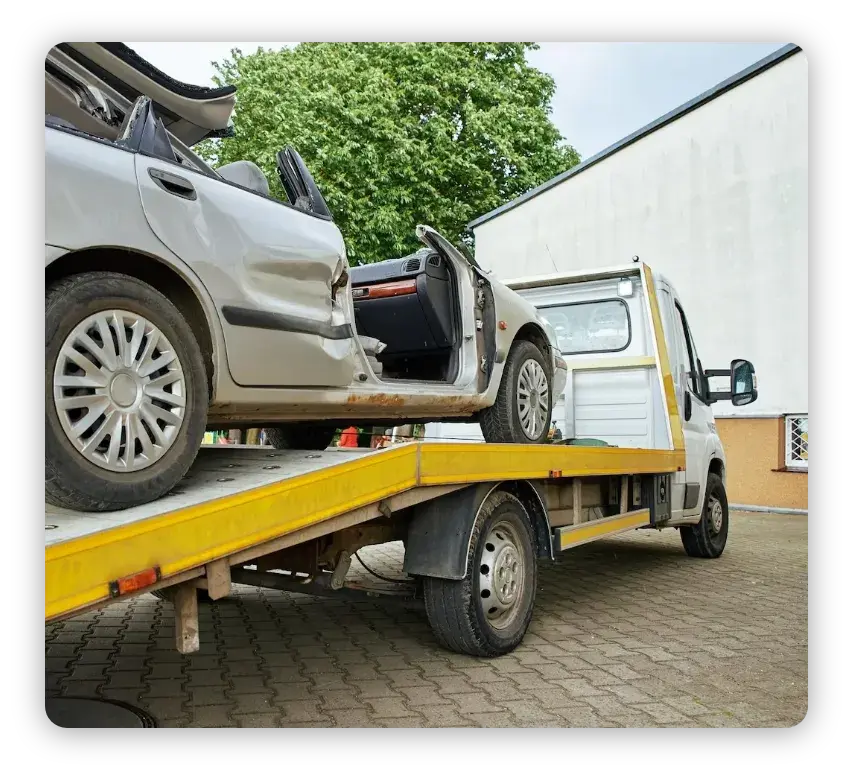
Emergency towing services in Roodepoort provide rapid response when battery issues leave you stranded. Professional operators arrive equipped to handle any situation safely. Additionally, they can transport your vehicle to authorized service centers for proper battery registration.
Jump start services from Mo Towing use correct connection procedures every time. Their technicians double-check polarity before making any connections. Furthermore, they assess whether your battery simply needs charging or requires complete replacement.
When accidents happen, accident recovery specialists can safely transport damaged vehicles to repair facilities. They understand that electrical system damage requires specialized diagnosis and repair.
Critical Steps for Safe Battery Replacement
If you must handle battery service yourself, follow these procedures religiously. First, always turn off the engine before disconnecting anything. Never disconnect the battery while the engine runs. This creates dangerous voltage spikes that can destroy electronic modules instantly.
Next, document everything before you begin. Take photos of battery specifications and terminal connections. Note which cable connects where. This documentation proves invaluable if problems arise later.
When disconnecting, always remove the negative terminal first. The negative cable typically appears black and connects to your vehicle’s chassis. Subsequently, disconnect the positive terminal, which usually appears red. Never let the positive cable touch any metal surface in the engine bay.
Wait at least 15 minutes after disconnecting before proceeding. This waiting period allows residual electrical charge to dissipate completely. Only then should you remove the old battery.
Installing the new battery requires reverse order. Connect the positive cable first, then the negative cable last. Ensure both connections are clean and tight. Corroded terminals prevent proper electrical flow and cause starting problems.
Most importantly, consider whether your vehicle requires battery registration. Luxury vehicles and many newer mainstream models need this step. Without proper registration, your new battery won’t perform correctly and may fail prematurely.
When DIY Becomes Dangerous
Modern vehicle complexity means simple tasks aren’t simple anymore. Battery replacement once took five minutes with basic tools. Today, it can require specialized diagnostic equipment and computer programming.
Certain vehicles store critical data in volatile memory. This includes security codes for audio systems, adaptive transmission settings, and even odometer readings in some models. Losing power can erase this irreplaceable information.
Some manufacturers implemented specific battery disconnect procedures to prevent module damage. These procedures involve particular sequences of button presses or switch positions. Skipping these steps can trigger warning lights or disable safety systems.
Advanced driver assistance systems require recalibration after power interruptions. Lane departure warnings, adaptive cruise control, and collision avoidance systems may malfunction until properly reset. Only dealerships or specialized shops have equipment for these calibrations.
Therefore, the money saved through DIY battery replacement can quickly evaporate when expensive repairs become necessary. Professional service costs a fraction of potential damage repair bills.
Protecting Yourself and Your Investment
Your vehicle represents a significant financial investment. Protecting that investment requires informed decisions about maintenance and service.
Always verify the qualifications of anyone servicing your vehicle. Mechanics should understand modern electrical systems and follow manufacturer procedures. Additionally, they should carry appropriate insurance covering potential damage.
When choosing service providers, reputation matters. Companies like Mo Towing build their business on reliability and professionalism. They invest in ongoing training to keep pace with rapidly evolving automotive technology.
Keep detailed service records for your vehicle. Document when batteries were replaced, who performed the work, and what procedures were followed. These records prove invaluable if problems develop later.
Consider extended warranty coverage for electrical components. Modern vehicles’ sophisticated systems make electrical repairs extremely expensive. Comprehensive coverage provides financial protection against unexpected failures.
Global Perspectives on Battery Service
The issues affecting South African drivers mirror challenges worldwide. International automotive organizations recognize the dangers of improper battery service in modern vehicles.
Studies from automotive research institutions show that 85% of electrical problems following battery replacement stem from improper procedures. However, even experienced mechanics sometimes overlook critical steps in the process.
Consumer protection agencies in Europe and North America have documented thousands of cases involving battery-related electrical damage. These agencies now recommend that vehicle owners exclusively use certified service providers for all electrical work.
Major automotive manufacturers continually update their service procedures to address emerging issues. They publish technical service bulletins warning about specific risks associated with battery disconnection on particular models. Yet many independent shops never receive or implement these crucial updates.
The Cost of Convenience
Quick, cheap solutions appeal to everyone. However, battery service represents one area where cutting corners creates catastrophic consequences.
Roadside assistance programs from insurance companies or automobile associations provide valuable protection. These programs connect you with qualified service providers who follow proper procedures. Moreover, many include coverage for towing to authorized service facilities.
The small additional cost for professional battery service pales in comparison to potential repair bills. A proper battery replacement at a qualified shop might cost R500 more than a quick swap at a budget outlet. Nevertheless, that R500 investment protects against R80,000 in potential damage.
Time pressure often drives poor decisions. When you’re late for work or an important meeting, proper procedures seem like unnecessary delays. However, taking 30 extra minutes for correct service beats spending weeks without transportation while waiting for expensive repairs.
Conclusion: Choose Wisdom Over Convenience
Modern vehicles demand modern solutions. The days of simple DIY battery swaps have passed. Today’s sophisticated automotive systems require knowledge, proper equipment, and careful procedures.
When battery problems strike, trust professionals who understand these complexities. Companies serving Roodepoort and Randburg like Mo Towing provide reliable service that protects your investment.
Their comprehensive roadside assistance covers everything from jump starts to complete battery replacement. Professional technicians arrive prepared with proper equipment and follow manufacturer procedures exactly.
Remember the Bryanston incident. Three wires in the wrong order cost R80,000. Don’t let convenience destroy your vehicle. Choose professional service and drive with confidence knowing your car’s sophisticated systems remain protected.
Contact Mo Towing for all your emergency towing, roadside assistance, and battery service needs throughout Roodepoort, Randburg, and surrounding areas. Professional help is just one phone call away, ready to respond 24 hours a day, 7 days a week.
Recent Posts:
- Your Car Insurance Won’t Cover This: The Fine Print About Amateur Towing That Cost One Family Their Claim
- The Lonehill Lockdown Story Nobody Talks About: When DIY Vehicle Recovery Becomes a Police Matter
- What That Smoking Battery Really Means (And Why You Shouldn’t Google It While Standing Next To Your Car)
- She Thought She Could Tow Her Polo to the Mechanic Herself—Then Ontdekkers Road Had Other Plans
- 5 Seconds That Changed Everything: The Fourways Battery Jump That Went Horribly Wrong