Smoking Battery Warning: Battery Removal Mistakes
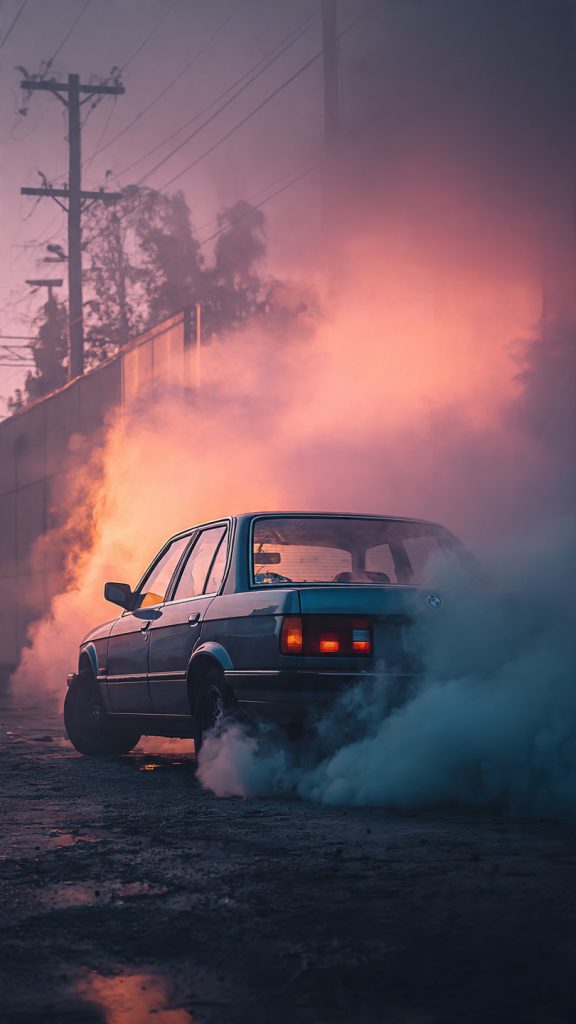
You turn the key in your ignition and notice something alarming. A faint hissing sound emerges from under your bonnet, followed by wisps of smoke rising into the air. Your first instinct might be to grab your phone and search for answers, but here’s what you need to know first: a smoking battery signals immediate danger, and every second counts.
At Mo Towing, we’ve responded to countless emergency calls across Roodepoort and Randburg where drivers found themselves in this exact situation. Many of these cases could have been prevented with proper knowledge. More importantly, many drivers unknowingly put themselves at serious risk by making critical mistakes during battery removal.
Understanding Why Car Batteries Smoke
When your car battery starts smoking, your vehicle is essentially sending you an urgent distress signal. This smoke doesn’t appear without reason, and understanding the cause can mean the difference between a simple fix and a trip to Netcare Milpark Hospital’s emergency room.
The Science Behind Battery Smoke
Car batteries contain a mixture of sulfuric acid and water known as electrolyte. Under normal conditions, this solution remains stable within the battery casing. However, when excessive heat builds up or overcharging occurs, the electrolyte begins to boil and evaporate, creating that telltale smoke you’re witnessing.
The smoke you see actually consists of toxic fumes that include hydrogen sulfide gas, which smells like rotten eggs. This gas is not only flammable but can also cause serious respiratory problems if inhaled. That rotten egg smell serves as nature’s warning system, alerting you to move away from the vehicle immediately.
Common Causes of Battery Smoking
Overcharging stands as the primary culprit behind smoking batteries. This occurs when your alternator’s voltage regulator malfunctions and continuously pumps excessive voltage into the battery. Normal alternator output should register between 13.7 and 14.7 volts. Anything higher causes the battery to overheat dangerously.
Internal short circuits present another serious threat. Physical damage to your battery, whether from a collision or mishandling, can disrupt the internal structure. This leads to shorts within the cells, which ignite gases inside the battery casing and produce smoke.
Extreme heat accelerates battery problems significantly. Johannesburg’s summer temperatures can push batteries to their limits, especially in Roodepoort and Randburg where temperatures soar. The electrolyte evaporates faster, pressure builds within the casing, and eventually, smoke emerges as a warning.
The Real Dangers You’re Facing
Many drivers underestimate the severity of a smoking battery. They continue to work on their vehicle, attempting DIY fixes that put them in immediate danger. Understanding these risks can save your life.
Fire and Explosion Hazards
The heat generated by a failing battery can ignite flammable gases that the battery releases naturally. Hydrogen gas, which batteries emit during charging, becomes highly explosive when concentrated. One spark from a metal tool or even static electricity can trigger a violent explosion.
When batteries explode, they don’t just break apart. The force propels battery acid, metal fragments, and plastic shards in all directions. These projectiles can cause severe facial injuries, eye damage, and chemical burns that require immediate medical attention at facilities like Netcare Milpark Hospital.
Toxic Fume Exposure
Breathing in battery fumes exposes you to hydrogen fluoride and carbon monoxide, among other dangerous gases. Short-term exposure causes immediate respiratory irritation, coughing, and difficulty breathing. Your lungs begin to burn, and you might experience dizziness or nausea.
Long-term exposure or high concentrations can lead to lung damage and, in severe cases, respiratory failure. Medical professionals note that symptoms can develop within 15 minutes of exposure to concentrated fumes. If you’ve inhaled significant amounts of battery smoke, you need emergency medical care immediately.
Chemical Burns from Battery Acid
Battery acid can severely burn your skin on contact. The sulfuric acid inside batteries doesn’t simply irritate your skin – it actively destroys tissue. Even small splashes can cause painful burns that worsen over time if not treated immediately.
Your eyes are particularly vulnerable. A single drop of battery acid in your eye can cause permanent vision damage. This is why emergency departments always emphasize washing exposed areas with water for at least 15 minutes before seeking medical care.
Critical Battery Removal Mistakes That Send People to Emergency Rooms
Over the years, our team at Mo Towing has witnessed numerous battery-related injuries. Most of these incidents stemmed from common mistakes that people make when attempting battery removal themselves.
Disconnecting the Wrong Terminal First
The most dangerous mistake involves disconnecting the positive terminal before the negative one. This error creates a high risk of short circuits because your vehicle’s chassis serves as the ground connection.
When you leave the negative terminal connected and work on the positive side, any metal tool that touches both the positive terminal and the vehicle’s body creates a direct short circuit. This generates an intense electrical arc that can melt tools, cause severe burns, and ignite battery gases instantly.
Always disconnect the negative terminal first. This simple sequence eliminates the grounding connection and makes the electrical system much safer to work on. The negative terminal typically displays a minus sign and has a black cable attached.
Working Without Proper Safety Equipment
Many people approach battery work with bare hands, wearing jewelry, and without eye protection. These choices put you at immediate risk of injury.
Battery acid can splash unexpectedly during removal, especially if the battery has been leaking or is damaged. Without safety glasses, one drop can cause permanent eye damage. Gloves protect your hands from chemical burns, while long sleeves shield your arms from splashes.
Jewelry poses a particular danger. Rings, necklaces, and watches can create accidental connections between battery terminals or between a terminal and grounded metal. Car batteries can generate several hundred amps in a short time, creating enough heat to melt a ring onto your finger. This isn’t theoretical – our emergency towing team has transported victims of such accidents to Netcare Milpark Hospital’s burn unit.
Ignoring Corrosion Warnings
White, green, or blue powdery deposits around your battery terminals signal corrosion. Many people brush this aside and continue working, but these deposits contain toxic compounds that can harm you.
The corrosive material can eat through your skin, cause respiratory irritation when inhaled as dust, and severely damage your eyes. Before removing a corroded battery, you must neutralize the corrosion with a solution of baking soda and water, then clean it thoroughly while wearing protective equipment.
Using Improper Tools
Standard wrenches and sockets might seem adequate for battery work, but using the wrong size tools creates serious problems. A loose tool can slip off the terminal nut while you’re applying force, causing your hand to strike sharp edges or creating sparks when metal contacts metal.
Damaged or worn tools pose additional risks. A cracked wrench can break under pressure, sending metal fragments flying or causing you to lose balance and fall onto the battery. Always use properly sized, undamaged tools specifically designed for automotive electrical work.
Lifting the Battery Incorrectly
Car batteries weigh between 30 and 50 pounds, yet people often try to lift them with poor technique or without help. This leads to back injuries, dropped batteries, and acid spills.
When you drop a battery, the impact can crack the casing and release acid immediately. The battery might also rupture internally, creating conditions for smoke or fire. If you need to remove your battery, always lift straight up using proper lifting technique, or better yet, call our Roodepoort towing services for professional assistance.
What to Do When Your Battery Starts Smoking
If you encounter a smoking battery, your response in the first few minutes determines whether the situation remains manageable or escalates into a serious emergency.
Immediate Safety Steps
Turn off your engine immediately and remove the key from the ignition. Move at least 15 feet away from your vehicle, taking others with you. Do not attempt to open the bonnet further if smoke is visible – this can introduce fresh oxygen and intensify any fire.
Call for professional help right away. Contact our 24/7 emergency towing service at 067 893 6190. We operate throughout Roodepoort, Randburg, and surrounding areas with rapid response times. Our trained team arrives equipped to handle battery emergencies safely.
Do not attempt to disconnect the battery while it’s smoking. The fumes are toxic and flammable, and any spark could trigger an explosion. Wait for professionals who have the proper equipment and training to address the situation safely.
When to Evacuate Completely
If you see flames, if the smoke increases rapidly, or if you hear hissing or bubbling sounds, evacuate the area immediately. These signs indicate the battery is in thermal runaway – a condition where the heat generates more heat in an uncontrollable cycle.
Move to a safe distance upwind of the vehicle to avoid inhaling fumes. Call emergency services if flames appear or if the smoke shows no signs of decreasing. Keep people away from the vehicle and warn approaching drivers about the hazard.
Medical Attention Requirements
Seek immediate medical care if you’ve inhaled smoke from a burning battery. Even if you feel fine initially, toxic exposure can cause delayed symptoms. Respiratory problems from battery fumes can develop over several hours.
If battery acid contacts your skin or eyes, begin washing the affected area immediately with large amounts of water. Continue washing for at least 15 minutes while someone calls for emergency medical assistance. Netcare Milpark Hospital’s emergency department, located in Parktown, maintains a Level 1 Trauma Unit equipped to handle chemical burn emergencies.
Professional Battery Services: Why Calling Mo Towing Makes Sense
Attempting battery work without proper knowledge and equipment puts you at unnecessary risk. Our professional team brings years of experience and the right tools to every call.
Our Battery Emergency Response
When you contact Mo Towing, our dispatch team immediately assesses your situation. We ask specific questions about what you’re experiencing to determine the appropriate response level. For smoking batteries, we prioritize your call and dispatch our nearest available unit.
Our response vehicles carry specialized equipment including battery handling tools, neutralizing agents for acid spills, and fire suppression equipment. Our technicians wear full protective gear and follow strict safety protocols during battery emergencies.
We serve all suburbs throughout Roodepoort and Randburg, including Ferndale, Bordeaux, Sundowner, Bromhof, Northriding, and surrounding areas. Our average response time of 10-35 minutes means help arrives quickly when you need it most.
Complete Roadside Assistance Beyond Batteries
Battery problems often occur alongside other vehicle issues. Our roadside assistance services address the complete situation, not just the immediate battery problem.
We provide jump start services when your battery has enough life remaining. For severely damaged or failed batteries, we offer professional removal and replacement. Our team can also diagnose alternator problems, identify electrical system faults, and recommend appropriate repairs.
If your vehicle requires more extensive work, our accident recovery services safely transport it to your preferred mechanic or our partner repair facilities. We work with all major insurance companies and maintain comprehensive coverage for every vehicle we tow.
Prevention: Maintaining Your Battery to Avoid Emergencies
Regular maintenance prevents most battery emergencies. Understanding how to care for your battery properly keeps you safer and extends your battery’s lifespan.
Regular Inspection Schedule
Check your battery every three months for signs of wear, damage, or corrosion. Look for cracks in the casing, bulging sides that indicate internal pressure buildup, and loose terminal connections. These visual inspections take only minutes but can identify problems before they become emergencies.
Pay attention to warning signs during daily driving. If your engine cranks slowly, your lights dim when idling, or you notice that rotten egg smell near your vehicle, schedule a battery check immediately. These symptoms indicate your battery is failing or your charging system has problems.
Proper Charging Practices
Always use a charger compatible with your battery type. Modern cars use different battery technologies, and using the wrong charger can damage your battery or create dangerous conditions. Microprocessor-controlled chargers automatically adjust their output and prevent overcharging.
Never charge a battery in an enclosed space without adequate ventilation. Batteries release hydrogen gas during charging, which can accumulate and create an explosive atmosphere. Charge your battery outdoors or in a well-ventilated garage with doors open.
Monitor the battery during charging. If it becomes hot to the touch or starts smoking, disconnect the charger immediately and move the battery to a safe outdoor location. Allow it to cool completely before attempting to determine the problem.
Environmental Considerations
Extreme temperatures affect battery performance and lifespan. Johannesburg’s hot summers accelerate chemical reactions inside batteries, increasing the risk of overheating and failure. Where possible, park in shaded areas or garages to minimize heat exposure.
Cold weather, though less common in Roodepoort, can also stress batteries by increasing the power needed to start your engine. Ensure your battery is fully charged before winter to reduce the strain on its internal components.
What Makes Mo Towing Different
When battery emergencies strike, you need a service provider you can trust completely. Our reputation throughout Roodepoort and Randburg stems from our commitment to professional, safe, and rapid response services.
Professional Training and Equipment
Every member of our team receives extensive training in battery safety, electrical system diagnostics, and emergency response procedures. We invest in ongoing education to ensure our technicians stay current with the latest vehicle technologies and safety protocols.
Our service vehicles carry professional-grade equipment including specialized battery testing devices, proper lifting equipment, and comprehensive safety gear. We don’t take shortcuts or compromise safety to save time.
Transparent Pricing and Service
We provide upfront quotes before beginning any service. Basic towing services within Randburg start from R550, with final costs depending on distance, time of day, vehicle type, and required services. You’ll never face surprise charges or hidden fees.
We accept multiple payment methods including cash, credit and debit cards, EFT, and insurance direct billing with approved partners. Payment is required upon service completion unless alternative arrangements have been made.
Comprehensive Insurance Coverage
Your vehicle remains fully insured during our service. We maintain comprehensive coverage including vehicle damage during loading and transport, transit insurance, and public liability protection. We document your vehicle’s condition with photographs before loading and provide condition reports upon request.
Making the Right Choice When Battery Emergencies Strike
Car battery problems can escalate from minor inconveniences to serious emergencies in minutes. Understanding the dangers, recognizing the warning signs, and knowing when to call for professional help keeps you and your passengers safe.
Remember these critical points: never work on a smoking battery yourself, always disconnect the negative terminal first, wear proper safety equipment, and seek immediate medical attention if you experience symptoms after exposure to battery smoke or acid.
Most importantly, keep our emergency number readily available: 067 893 6190. We’re available 24/7 throughout Roodepoort, Randburg, and surrounding areas. Whether you need a simple jump start, complete battery replacement, or emergency vehicle recovery, our team responds quickly with the expertise and equipment to resolve your situation safely.
Don’t risk your safety attempting battery work beyond your skill level. One call to Mo Towing brings professional help to your location, typically within 30 minutes. We handle the dangerous work while you remain safe, and we ensure your vehicle receives proper care throughout the process.
Your safety matters more than saving a few rand on DIY repairs. When that battery starts smoking, when you smell those rotten eggs, or when you’re simply not sure how to proceed – make the call that keeps you out of Milpark Hospital’s emergency room and gets you safely back on the road instead.
For immediate assistance with any battery emergency or vehicle breakdown, contact Mo Towing at 067 893 6190 or visit our website at motowing.co.za. We’re here when you need us most, ensuring every roadside emergency ends with you safe and your vehicle properly cared for.
Recent Posts:
- She Thought She Could Tow Her Polo to the Mechanic Herself—Then Ontdekkers Road Had Other Plans
- 5 Seconds That Changed Everything: The Fourways Battery Jump That Went Horribly Wrong
- The Randburg Dad Who Nearly Lost His Hand: Why That YouTube Towing Tutorial Almost Cost Him Everything
- What is Mo Towing’s Emergency Breakdown Service in Randburg
- Why Mo Towing is the Best Emergency Towing Company in Randburg