When DIY Towing Goes Wrong: A Randburg Dad’s Close Call
It was supposed to be a simple Sunday afternoon project. Johan Pretorius, a 42-year-old father of two from Ferndale, Randburg, had watched three YouTube videos on how to tow a vehicle using a chain and his friend’s bakkie. His Toyota Corolla had broken down outside the Randburg Square shopping centre, and calling a professional towing service seemed like an unnecessary expense. After all, the tutorials made it look easy enough.
Three hours later, Johan found himself in Netcare Olivedale Hospital’s emergency room with a severely mangled hand, trapped between his vehicle’s tow hook and the bakkie’s frame. What started as a cost-saving measure had spiralled into a medical emergency that would cost him over R50,000 in hospital bills, weeks of recovery time, and permanent nerve damage to his right hand.
Johan’s story isn’t unique. Across Johannesburg’s northern suburbs, from Roodepoort to Randburg, emergency rooms regularly treat injuries from DIY towing attempts that went catastrophically wrong. The temptation to save a few hundred rand on emergency towing services continues to lure vehicle owners into dangerous situations that professional towing operators train for years to handle safely.
The Hidden Dangers Lurking in DIY Towing Tutorials
YouTube and online forums overflow with DIY towing tutorials promising quick fixes and money-saving solutions. What these videos rarely show are the split-second mistakes that lead to crushed hands, runaway vehicles, and multi-car accidents. The tutorials often skip crucial safety steps, underestimate the physical forces involved, and fail to mention the specialized equipment required for safe vehicle recovery.
Research reveals alarming statistics about towing-related injuries. Studies show that physical injuries from improper towing techniques are far more common than most people realize, with strains, sprains, and crush injuries topping the list. When vehicles aren’t secured correctly, the consequences extend beyond the person attempting the tow, potentially endangering other motorists and pedestrians.
The physics of towing create dangers that aren’t immediately apparent to untrained individuals. A vehicle weighing 1,200 kilograms doesn’t simply roll smoothly behind another car with a rope or chain attached. Weight distribution, braking distances, and turning dynamics all change dramatically. What looks straightforward in a five-minute video becomes a life-threatening scenario when unexpected variables arise, such as a steep incline, wet road conditions, or a snapped towing chain.
Why Professional Experience Matters
Professional towing services in Randburg understand these dangers intimately. Operators like those at Mo Towing undergo extensive training to handle the countless variables that can turn a simple tow into a disaster. They know which attachment points can safely bear load, how to distribute weight properly, and how to respond when situations become unstable.
The equipment difference alone justifies professional assistance. While DIY attempts typically involve hardware store chains, ropes, or improvised straps, professional services use purpose-built towing equipment rated for specific weights and stress loads. This equipment includes safety features like breakaway mechanisms and proper load distribution systems that simply don’t exist in amateur setups.
The Real Cost of “Saving Money”
When Johan calculated his initial savings by avoiding a professional tow, he estimated he’d save around R500 to R800. The nearest panel beater was only four kilometres from where his Corolla had broken down. His friend had offered his bakkie, and they’d purchased a heavy-duty chain from a hardware store for R180. The math seemed to make perfect sense.
The actual costs tell a very different story. Johan’s emergency room visit, including X-rays and initial treatment, cost R4,200. Reconstructive surgery on his hand added another R28,000. Six weeks of physiotherapy brought the total to R35,600. That doesn’t include the R5,800 in lost wages from missing work during recovery, or the R8,400 in damage to both vehicles when the tow went wrong and his Corolla crashed into a concrete barrier.
Beyond the financial devastation, Johan faces permanent consequences. Nerve damage means he’s lost significant grip strength in his dominant hand, affecting his ability to perform his job as an electrician. His insurance company initially denied the claim, arguing that the injury resulted from an unsafe activity not covered under his policy. After months of disputes, they settled for 60% of his medical costs.
The irony isn’t lost on Johan: Mo Towing’s emergency towing service would have charged approximately R650 for the four-kilometre tow, with the vehicle safely delivered to his chosen destination within 45 minutes. The company operates 24/7 throughout Randburg, Roodepoort, and surrounding suburbs, responding to emergencies within 10 to 35 minutes.
What Actually Goes Wrong During DIY Towing
Understanding the specific failures in DIY towing attempts reveals why professional expertise matters. The most common accidents involve:
Inadequate attachment points and equipment failure. Many vehicle owners attach towing straps or chains to bumpers, exhaust systems, or other components never designed to bear such loads. When these points fail under stress, the sudden release of tension creates projectile hazards. Chains can whip back with devastating force, and vehicles can roll freely downhill or into traffic.
Loss of vehicle control during transport. Towing fundamentally changes how a vehicle handles. The towed vehicle lacks power steering and power brakes, making it difficult to control. Drivers unfamiliar with these dynamics often discover too late that they cannot steer effectively or stop the towed vehicle independently. This becomes critical when the towing vehicle needs to brake suddenly or navigate turns.
Improper weight distribution and trailer sway. Even when using proper towing equipment like dollies or trailers, incorrect weight distribution creates dangerous instability. Vehicles loaded incorrectly can cause the entire towing setup to fishtail at speed, leading to jackknife situations where the driver completely loses control of both vehicles.
Failure to follow legal requirements. South African traffic laws impose specific requirements on towing operations, including proper lighting, safety chains, and visibility markers. DIY towing attempts rarely meet these standards, potentially resulting in traffic violations, fines, and liability if accidents occur.
The Human Factor in Towing Accidents
Physical exhaustion and improper lifting techniques contribute significantly to towing injuries. Loading a disabled vehicle onto a trailer or dolly requires moving heavy components, positioning ramps, and securing multiple attachment points. Without proper technique and equipment, individuals risk serious back injuries, hernias, and muscle strains. What begins as a quick DIY project often leaves people unable to work for weeks while recovering from preventable injuries.
The stress of dealing with a breakdown compounds these risks. When vehicles fail unexpectedly, owners often feel pressured to resolve the situation quickly, especially if stranded in unsafe locations or facing time constraints. This pressure leads to rushed decisions and shortcuts that increase accident probability.
When Professional Towing Becomes Essential
Certain situations absolutely require professional intervention, regardless of perceived cost savings. Mo Towing’s roadside assistance services handle scenarios that pose severe risks to untrained individuals:
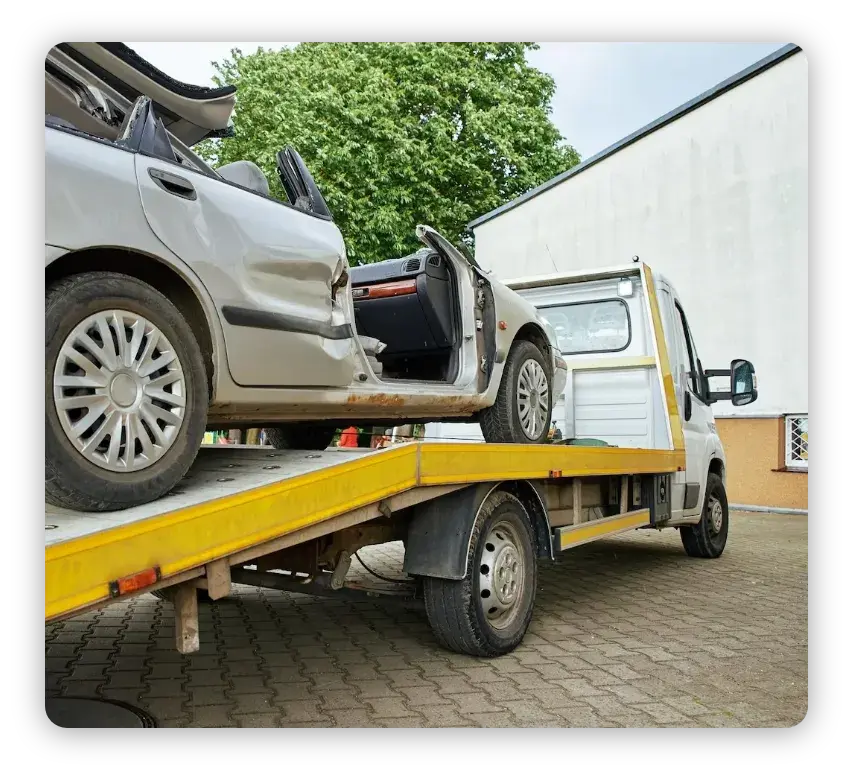
Accident recovery operations. Vehicles damaged in collisions often have compromised structural integrity, making them unstable during recovery. Accident recovery specialists understand how to safely extract damaged vehicles without causing additional harm or creating hazards for emergency personnel and passing traffic. They coordinate with insurance companies and law enforcement to ensure proper documentation and legal compliance.
Highway and high-traffic recoveries. Attempting to tow a vehicle on busy highways like the N1 or William Nicol Drive creates massive safety risks. Professional towing operators use proper warning systems, high-visibility equipment, and traffic management techniques to protect everyone involved. They’re trained to work alongside moving traffic safely, something no YouTube tutorial can adequately teach.
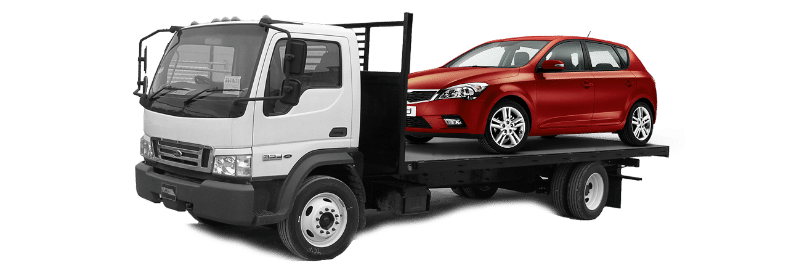
Complex mechanical failures. When vehicles suffer drivetrain failures, seized brakes, or locked steering systems, specialized recovery techniques become necessary. Professional operators assess these situations quickly and deploy appropriate solutions, whether that means flatbed transport, wheel-lift towing, or other specialized methods.
Long-distance transportation. Moving a vehicle beyond a few kilometres requires proper equipment and experience. Professional services like Mo Towing’s long-distance transport options ensure vehicles arrive safely, with insurance coverage protecting against potential damage during transit.
The Hidden Value in Professional Towing Services
Beyond avoiding catastrophic injuries and vehicle damage, professional towing services provide value that DIY approaches cannot match. Response times matter significantly when stranded, especially during evening hours or in unsafe areas. Mo Towing’s 24/7 availability means help arrives within 10 to 35 minutes throughout Randburg, eliminating the stress and danger of prolonged roadside exposure.
Insurance considerations also favour professional services. Most comprehensive vehicle insurance policies cover or subsidize professional towing costs, but explicitly exclude coverage for damage resulting from DIY towing attempts. This means owners attempting their own tows assume full liability for any damage to their vehicle, other vehicles, or injuries sustained during the process.
Professional services also provide peace of mind through proper licensing, insurance, and liability coverage. If something goes wrong during a professional tow, the company’s insurance handles damages and injuries. With DIY towing, individuals bear complete financial and legal responsibility for all consequences.
Additional Services That Prevent Towing Needs
Many situations that seem to require towing can be resolved on-site by professional roadside assistance services. Mo Towing’s comprehensive service offerings include:
Jump-start services for dead batteries, eliminating the need for towing when vehicles simply need a power boost. Emergency fuel delivery brings petrol or diesel directly to stranded vehicles, getting drivers back on the road within 30 to 45 minutes. Lock-out assistance helps when keys are locked inside vehicles, resolving the problem without any towing required.
These services often cost less than towing and resolve situations faster, making professional assistance the economical choice even before considering the risks of DIY approaches.
Making the Right Choice When Your Vehicle Breaks Down
The next time your vehicle breaks down in Randburg, Roodepoort, or anywhere across Johannesburg’s northern suburbs, resist the temptation to watch a YouTube tutorial and attempt a DIY tow. The apparent savings evaporate quickly when accidents occur, and the physical and financial consequences can haunt you for years.
Johan Pretorius learned this lesson the hardest way possible. Eighteen months after his DIY towing accident, he still experiences pain in his right hand during cold weather. He’s had to modify his electrical work techniques to accommodate his reduced grip strength. His total costs, including ongoing medical care and lost income, exceeded R85,000 for attempting to save R650.
“I thought I was being smart and resourceful,” Johan reflects. “I never imagined I could lose the use of my hand from something that looked so simple in the videos. If I could go back, I’d call the professionals immediately. No amount of money is worth what I went through.”
Professional towing services exist precisely because vehicle recovery requires specialized knowledge, equipment, and training. The expertise that prevents injuries, protects vehicles, and ensures legal compliance cannot be gained from online tutorials. When mechanical failure leaves you stranded, the truly economical choice is calling experienced professionals who handle these situations safely every day.
Mo Towing operates 24/7 throughout Randburg and Roodepoort, providing fast, reliable, and affordable emergency towing services. Their trained operators arrive quickly with proper equipment, insurance, and the expertise to handle any towing situation safely. The investment in professional service pays for itself the moment it prevents the kind of disaster that changed Johan’s life forever.
Don’t let a YouTube tutorial cost you your health, your finances, or your vehicle. When you need towing services in Randburg, make the call that protects everything that matters. Your hands, your wallet, and your family will thank you.
Need emergency towing in Randburg or Roodepoort? Contact Mo Towing 24/7 at 067 893 6190 for fast, professional, and affordable towing services throughout Johannesburg’s northern suburbs.
Recent Posts: